
Meditation Techniques: Master Mindfulness & Inner Peace
Note to Our Visitors
Learn how to achieve inner calm, focus, and harmony through the practice of mindfulness and meditation. Whether you're new to meditation or have been practicing for a while, you'll find helpful information here. Adopt a more mindful lifestyle by exploring, learning, and embracing it.
Table of Contents
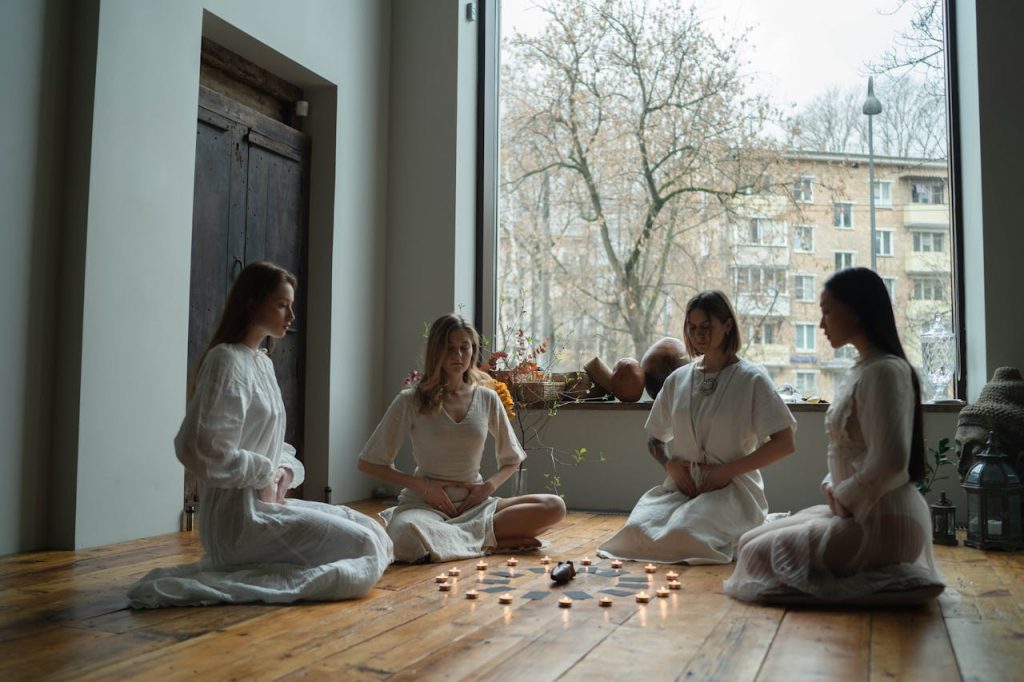
Explore various meditation techniques to reduce stress, improve focus, and achieve mental clarity. Learn the benefits and step-by-step guidance for each technique.
Learn a range of exciting meditation techniques that can help you lower stress levels, improve your focus , and raise your mental clarity! Each method has great benefits and simple steps . But if you are experiencing a particular type of mental distress, definitely see a professional before delving into new meditative practices.
Meditation Techniques to Get You Started
Meditation is a lovely practice with a history spanning more than five thousand years. Take advantage of this excellent chance to relax, unwind, and find inner calm. Discovering moments of tranquillity and awareness can transform your life in a world that moves at a rapid speed. These approaches can help you acquire a deeper understanding of yourself and your meditation practice, regardless of how long you have been meditating.
Why Meditation Techniques Matter
Before delving into the exact techniques, it is critically important to have a solid understanding of the reasons why meditation practices are so beneficial. There are several advantages of meditating, including the following:
- Stress Reduction: Meditation helps reduce stress by calming the nervous system and lowering cortisol levels.
- Improved Focus: Regular practice enhances concentration, memory, and cognitive function.
- Emotional Balance: Meditation fosters emotional resilience by encouraging mindfulness and self-awareness.
- Better Sleep: Certain techniques promote relaxation, leading to deeper and more restful sleep.
- Overall Well-Being: Meditation enhances overall mental health, creating a sense of calm and peace in daily life.
By incorporating various meditation techniques into your routine, you can experience these benefits and more.

Top Meditation Techniques to Practice
It is possible to choose from a variety of different meditation techniques, each of which has its own set of advantages. The following is a list of some of the most highly effective and conventional approaches:
1. Mindfulness Meditation
Mindfulness meditation is one of the most popular meditation techniques today. It focuses on cultivating an awareness of the present moment by observing thoughts, emotions, and sensations without judgment.
- How to Practice: Sit comfortably and close your eyes. Focus on your breath, observing each inhale and exhale. If your mind wanders, gently bring it back to the breath.
- Benefits: Reduces stress, improves focus, and enhances emotional health.
2. Guided Meditation
Guided meditation involves listening to a teacher or recording that leads you through the meditation process. This technique is ideal for beginners, as it offers structure and support.
- How to Practice: Choose a guided meditation audio or video. Follow the instructions as you listen and relax. Common themes include body scans, breathing exercises, or visualizations.
- Benefits: Helps you stay focused and engaged, especially for beginners. It also encourages deep relaxation and stress relief.
3. Loving-Kindness Meditation (Metta Meditation)
This meditation technique focuses on cultivating love and compassion, both for yourself and others. It’s an excellent practice for enhancing empathy and emotional health.
- How to Practice: Sit quietly and silently repeat phrases like, “May I be happy, may I be healthy, may I live with ease.” Gradually extend these wishes to others—friends, family, and even people you have difficulty with.
- Benefits: It increases feelings of love, compassion, and emotional resilience and helps reduce anger and negative emotions.
4. Transcendental Meditation (TM)
Transcendental meditation is a mantra-based meditation that aims to help the practitioner reach a state of deep rest. It is practised for 20 minutes twice a day, and its simplicity makes it easy to adapt to your daily routine.
- How to Practice: Sit comfortably with your eyes closed and silently repeat a mantra given to you by a certified TM teacher. This repetition helps quiet the mind.
- Benefits: Promotes deep relaxation, reduces stress, and increases overall mental clarity.
5. Body Scan Meditation
Body scan meditation is a technique that involves paying attention to different parts of the body, noticing sensations, and releasing tension. This practice promotes deep relaxation and mindfulness of the body.
- How to Practice: Lie down in a comfortable position and focus on each part of your body, starting from your toes and moving upward. Feel how each area feels and let go of any tension.
- Benefits: Reduces physical tension, enhances body awareness, and promotes relaxation.
6. Breathing Meditation
Breathing meditation is one of the most straightforward meditation techniques. By focusing on your breath, you can shift your attention away from distractions and into the present moment.
- How to Practice: Sit comfortably and close your eyes. Breathe naturally and observe the sensation of air entering and exiting your body. Try to lengthen your inhales and exhales.
- Benefits: Improves concentration, reduces anxiety, and calms the mind.
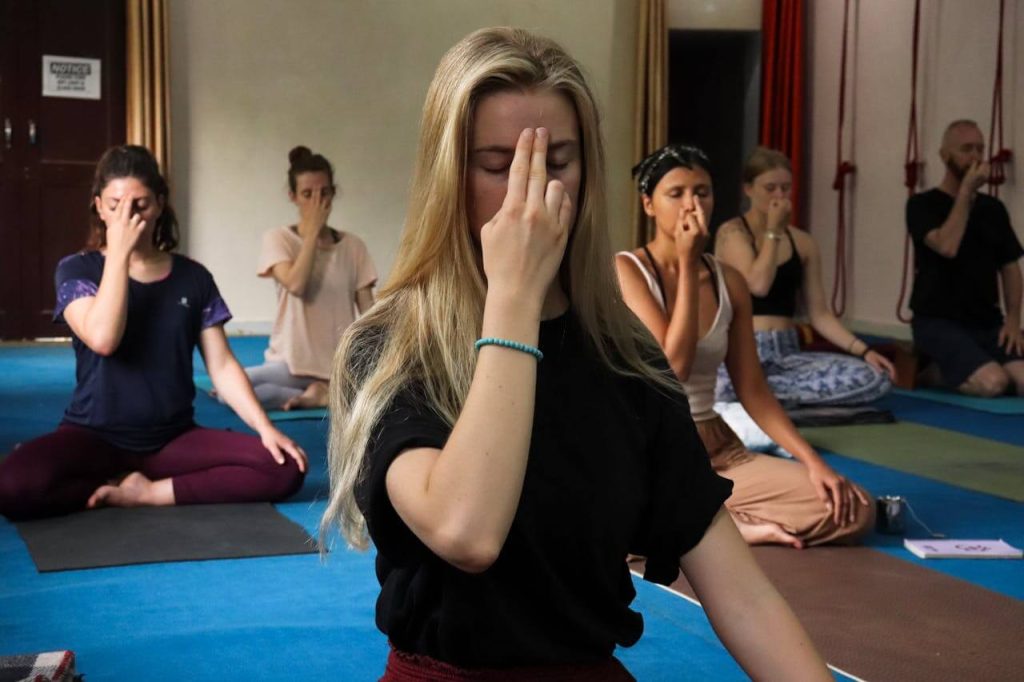
Try This Beginner’s Mindfulness Technique
How to Choose the Right Meditation Technique for You
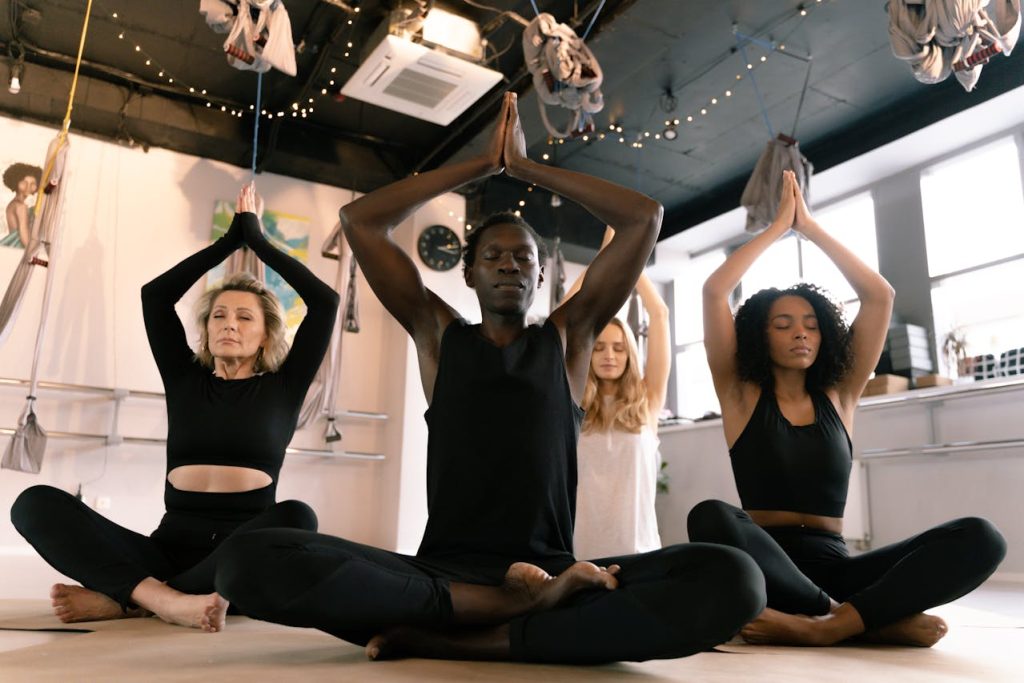
Choosing the proper meditation technique depends on your goals and preferences. There’s no one-size-fits-all approach to meditation, so it’s essential to consider what you’re hoping to achieve and what type of practice resonates with you. Here are a few tips to help you decide:
- If you want to improve emotional health, Try Loving-Kindness Meditation to foster compassion and empathy.
- If you need help with focus, Mindfulness Meditation and Breathing Meditation are excellent options for improving concentration.
- If you’re a beginner, Consider starting with Guided Meditation, which offers structured support to help you stay on track.
- If you need deep relaxation, Body Scan Meditation or Transcendental Meditation can help release physical and mental tension.
No matter which meditation technique you choose, the most important thing is consistency. Make meditation a part of your daily routine, even if it’s only for a few minutes a day, to experience the transformative effects.
Tips for Successful Meditation Practice
To help you succeed in your meditation techniques, consider these helpful tips:
- Create a Routine: Meditate at the same time each day to develop a consistent practice.
- Start Small: Begin with just 5-10 minutes per session and gradually increase the duration as you get more comfortable.
- Find a Comfortable Space: Choose a quiet space where you can sit undisturbed.
- Be Patient: Meditation is a skill that takes time to develop. Don’t be discouraged if your mind wanders during practice—just gently return to your breath or focus point.
- Stay Consistent: Try to meditate daily, even if it’s for a short period. The more consistent you are, the more benefits you’ll experience.
Finding: Embrace the Power of Meditation
Exploring various meditation styles will lead you to a more profound sense of peace, stillness, and balance in your life. Whether you want to reduce stress, improve focus, or foster emotional resilience, there’s a meditation technique for you.
These are just a few ways you can spice things up if your meditation has lost its lustre. Like everything else in life, start small and be consistent. With continued practice, you will begin to experience the profound benefits of meditation. You don’t have to walk this journey alone, and we will be with you every step of the way.
Are you excited to discover more about the year from meditation? Begin today and tap into the life-changing benefits of mindfulness!

Meditation FAQs
Everything You Need to Know to Get Started
Meditation techniques include mindfulness meditation, guided meditation, loving-kindness meditation, transcendental meditation, body scan meditation, and breathing meditation. Each technique offers unique benefits, helping you reduce stress, enhance focus, and cultivate inner peace.
Guided meditation is often the most straightforward technique for beginners to learn. It provides structure and guidance, helping you stay focused while learning the basics of meditation.
Mindfulness meditation involves focusing on the present moment and observing your thoughts, feelings, and sensations without judgment. This practice helps increase self-awareness and reduce stress.
It’s recommended to meditate for at least 10 to 15 minutes daily. However, you can gradually increase your practice time as you become more comfortable with the technique.
Yes, meditation techniques such as mindfulness meditation and breathing exercises are highly effective in reducing anxiety by calming the mind and promoting relaxation.
Guided meditation involves listening to a meditation teacher or audio recording that guides you through the process. It’s great for beginners and helps you stay focused while promoting relaxation and reducing stress.
Loving-kindness meditation involves silently repeating phrases such as “May I be happy” and extending these wishes to others. It helps increase feelings of compassion, love, and emotional balance.
Yes, many meditation techniques, including mindfulness and body scan meditation, promote relaxation and reduce stress, which can significantly improve sleep quality.
Transcendental meditation (TM) is a mantra-based technique where you silently repeat a specific word or phrase. This helps you reach deep states of relaxation and improve mental clarity.
Breathing meditation helps you concentrate on the act of breathing, promoting mindfulness and calming the mind. It improves focus and reduces distractions during meditation.
While there is no one-size-fits-all posture, it’s important to sit comfortably with a straight spine. You can sit on a chair, cushion, or floor, whichever helps you maintain a relaxed but alert posture.
For optimal results, it’s best to practice meditation techniques daily. Even a short daily practice can bring significant benefits over time.
Yes, meditation techniques, particularly mindfulness and breathing meditation, are highly effective in reducing stress by calming the nervous system and promoting a sense of inner peace.
Body scan meditation involves focusing on different parts of your body, starting from your toes and moving up to your head. This practice promotes deep relaxation and helps release physical tension.
Yes, you can meditate while lying down, especially if you are practising body scan meditation or guided meditation. However, make sure to stay awake and alert to avoid falling asleep.
Mindfulness meditation focuses on observing thoughts and sensations without judgment, while transcendental meditation involves repeating a mantra to help achieve deep relaxation and mental clarity.
Meditation techniques like loving-kindness meditation and mindfulness meditation help increase self-awareness, emotional resilience, and compassion, all of which contribute to improved emotional well-being.
To make meditation a daily habit, try setting a specific time each day for your practice. Start small, even with just 5-10 minutes, and gradually increase your practice time as you become more comfortable.
Yes, meditation improves focus, clarity, and mental resilience, which can significantly enhance productivity. Techniques like mindfulness meditation help you stay present and make better decisions.
While silent meditation is common, some techniques, such as guided meditation and mantra meditation, involve external guidance or repetition. Silence can be beneficial, but the most critical aspect is focusing your mind.
- Home
- Getting Started with Meditation
- Explore Powerful Meditation Methods
- A Beginner’s Guide to Inner Peace
- Why Meditation Can Transform Your Life
- Mindfulness & Meditation Resources
- 10-Minute Anxiety Meditation You Need in Your Daily Routine
Retreats
Top 5 Meditation Sites You Need to Know for Inner Peace and Focus
🧘♂️ 1. Headspace
Website: www.headspace.com
- One of the most popular platforms for guided meditation and mindfulness.
- Offers structured programs for stress, sleep, focus, and anxiety.
- Includes a user-friendly app with animations and expert tips.
🧘♀️ 2. Calm
Website: www.calm.com
- Known for its soothing interface and soundscapes.
- It offers sleep stories, breathing exercises, and meditation tracks.
- Ideal for both beginners and advanced users.
🧘 3. Insight Timer
Website: www.insighttimer.com
- It offers the world's most extensive free library of guided meditations.
- It features thousands of teachers, live sessions, and music for mindfulness.
- Great for variety and exploring different meditation styles.
🧘♂️ 4. The Chopra Center
Website: www.chopra.com
- Founded by Deepak Chopra, this site blends meditation with Ayurvedic wellness.
- Offers guided sessions, spiritual growth content, and wellness courses.
- Well-respected in both scientific and spiritual wellness circles.
🧘♀️ 5. UCLA Mindful Awareness Research Center
Website: www.uclahealth.org/marc
- A research-based meditation resource from UCLA.
- Offers free guided meditations and mindfulness classes.
- It is backed by neuroscience and is ideal for users looking for evidence-based mindfulness.